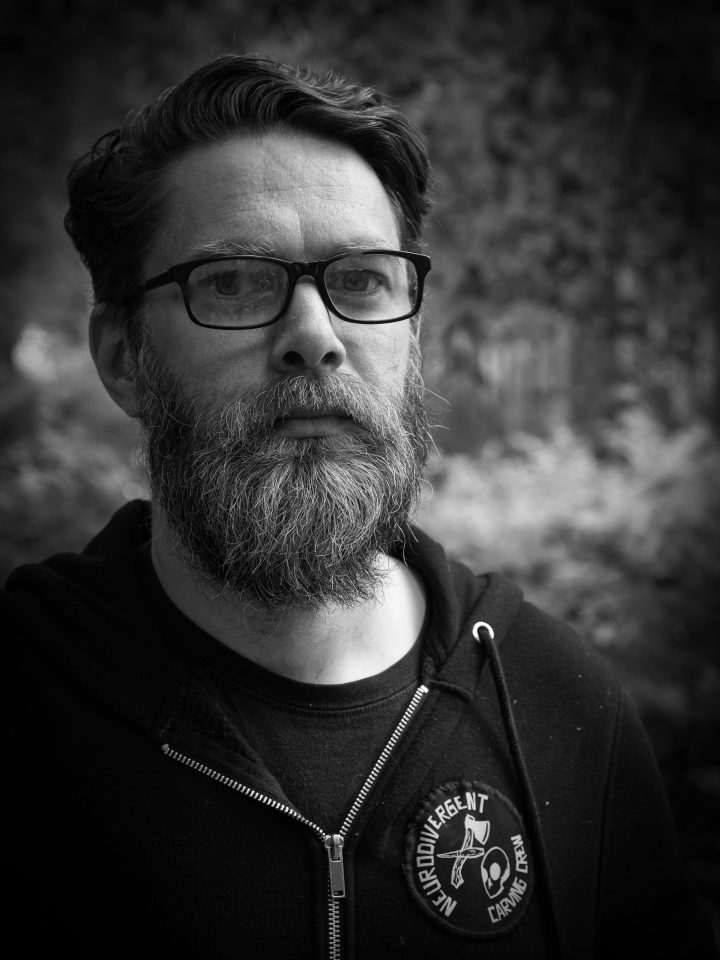
Confirmed pre-fest course tutors for 2026 are: Adam Hawker, Beth Moen, Liesl Chatman, Martin Hazell, Matt Whittaker & Owen Thomas – scroll down to see details of the courses and stay tuned for more announcements.
Tickets for pre-fest go on sale Sunday 1st March 2026 at 11am
Pre-fest tickets do not include attendance to the festival itself, however we do always save some fest tickets for folk who attend pre-fest. So if you miss out on festival tickets but have a pre-fest space, we will make sure you can attend for the whole event. Main fest itself costs £115 – just put yourself on the festival waiting list, and get in touch!
About Pre-fest
Spoonfest is a fantastic sharing of skills and great fun but the workshops are just short taster sessions. If you really want to learn then you need longer.
Since we have some of the best spooncarvers in the world coming we thought we should get them here three days earlier and offer the chance of a longer course. Not only will you have the enjoyment of learning with a small group from a master carver you will also be sharing the Spoonfest site with 4 other courses so we all get to see what the other tutors are up to as well.
Courses cost £275 including all materials, unless otherwise stated. All courses run 2pm-5.30pm on Tues 28th July and 9.30-4.30 on Weds 29th July and Thurs 30th July. Free camping on site is included, as is a good lunch each day and lots of tea and coffee. The fires will be going in the evenings for folk to cook over or often there’s a large group goes to eat at a local pub.
We have big shared lunchtime meals and can see progress in all the classes, almost 5 classes for the price of one. For the folk who come on these special courses the atmosphere is great.
Pre fest courses are aimed at folk who can already use the basic tools rather than absolute beginners. You will need to bring your own tools for your class.
Adam Hawker
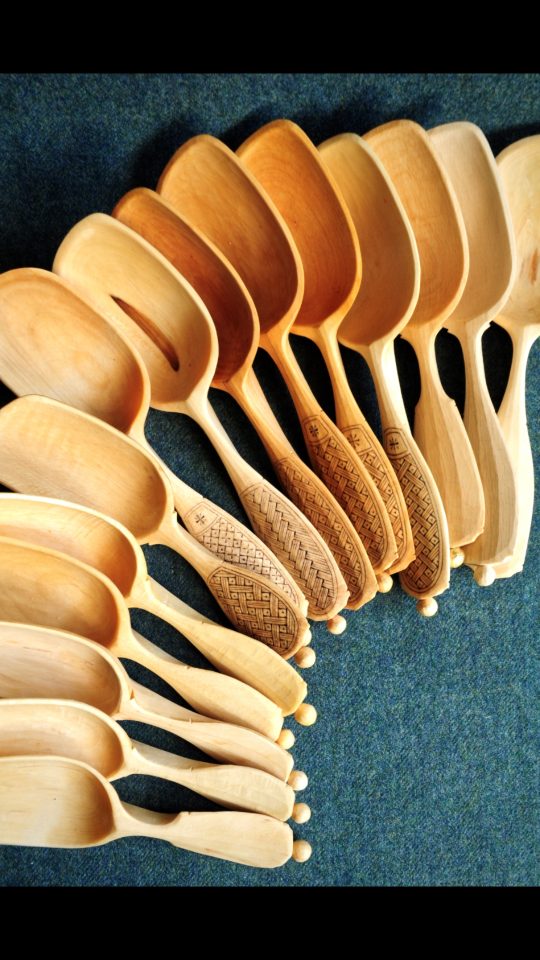
Adam Hawker is an internationally renowned spoon carver who has been teaching at various spoon/wood based festivals and venues all over the UK as well as internationally. He has been teaching and carving spoons for over 18 years. He has been fortunate enough to learn from many talented spoon carvers from around the world. Known for his exquisite spoons combining form and function, quite often decorated with kolrosed geometric patterns as well as his methodical and thoughtful approach to carving spoons.
Adam’s prefest course is all about bent branch spoons. Bent branch spoons is where it is at.
Not only do they make a more ergonomical spoon to use, they are inherently much stronger than straight grain spoons. You will learn what to look for in a bent branch and how to split it before focussing on different ways to go about making a spoon from a bent branch (concentrating on grain direction). This course would be ideal for those who have carved before and are looking at taking the leap into the world of bent branch spoons.
Beth Moen
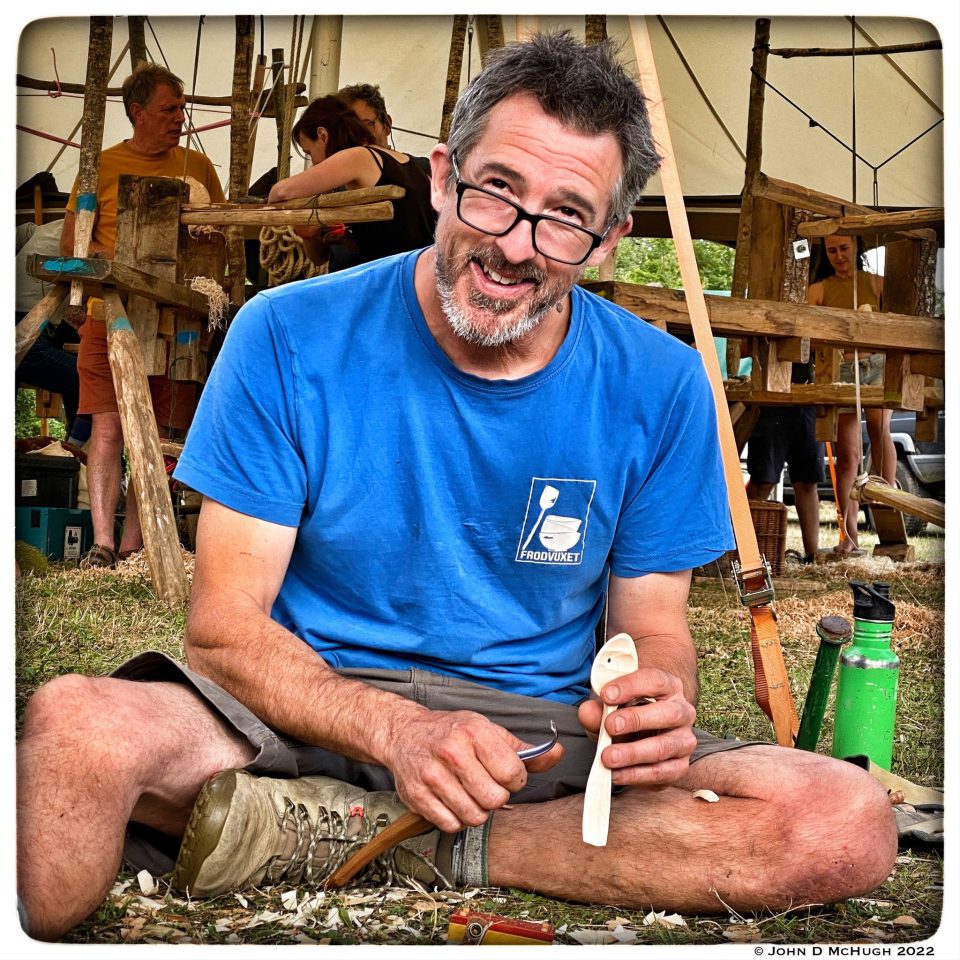
Beth Moen has been a woodworker since 1981 and a teacher at the legendary Sätergläntan institute of craft for many years. She has worked with many different techniques within slöjd and woodwork but she always comes back to spooncarving; the foundation of and joy in her practice comes from its challenging simplicity.
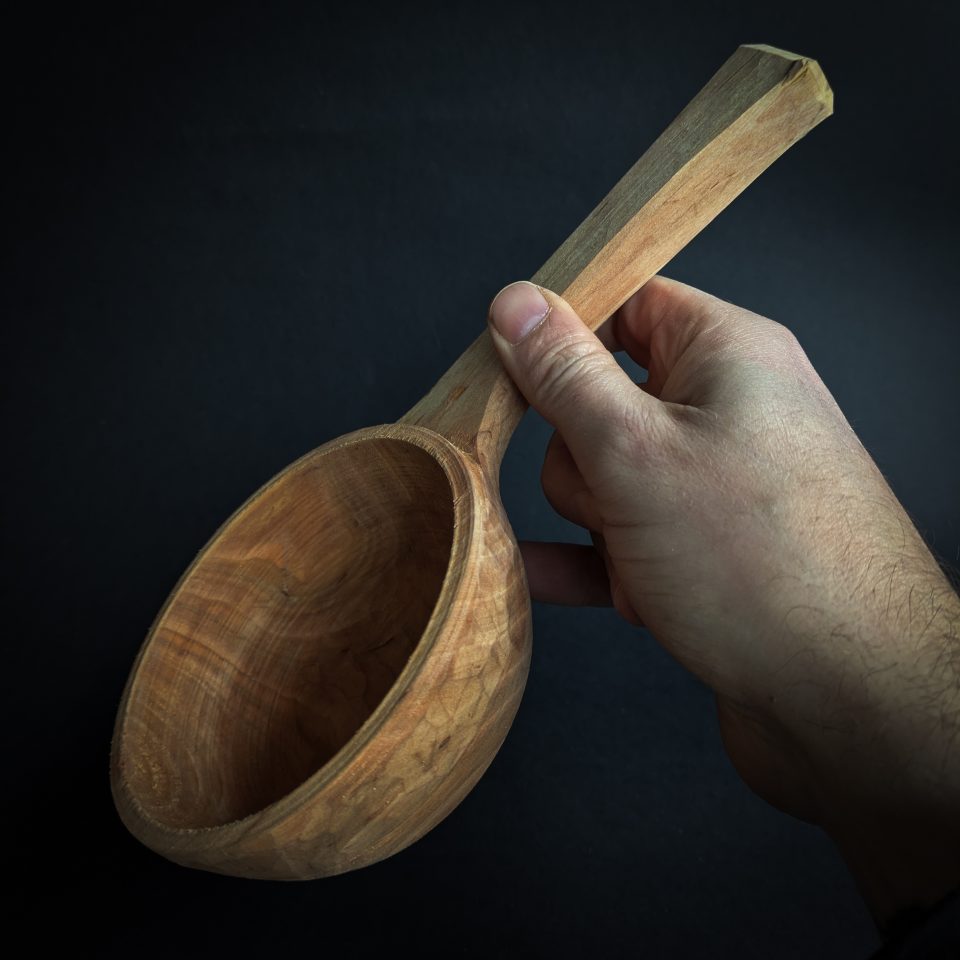
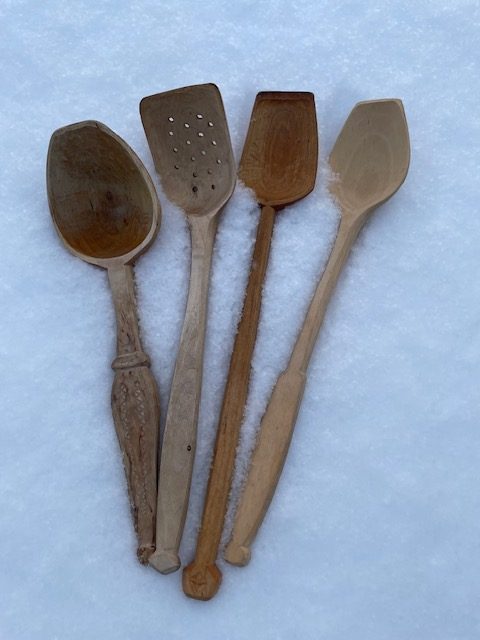
In the workshop you are going to make large cooking spoons with long handles and have discussions about design and use. You’ll learn ”axe dancing”, an ergonomic and relaxing way to use the axe (and one of Beth’s specialities).
Liesl Chatman
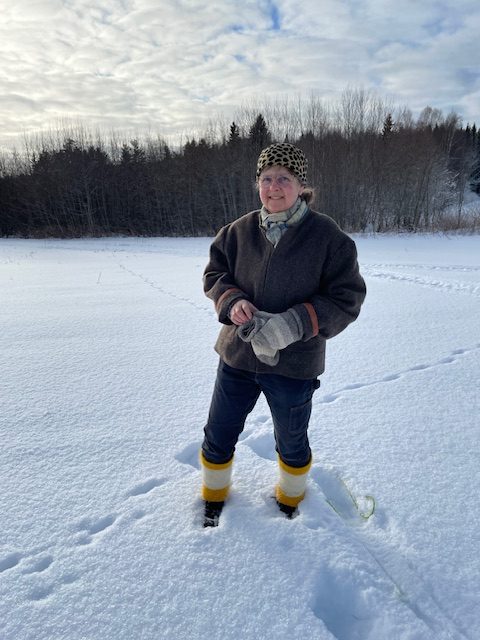
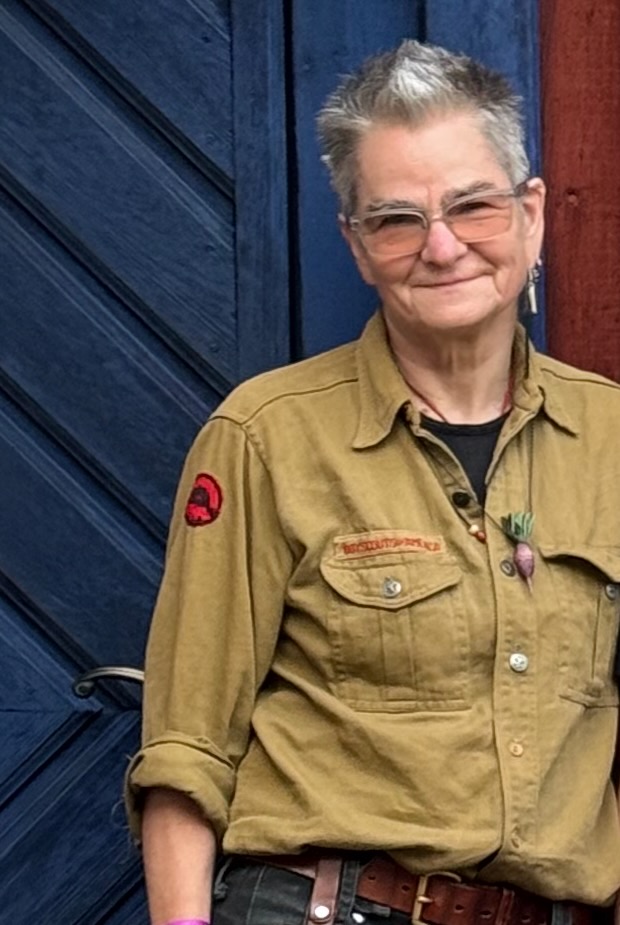
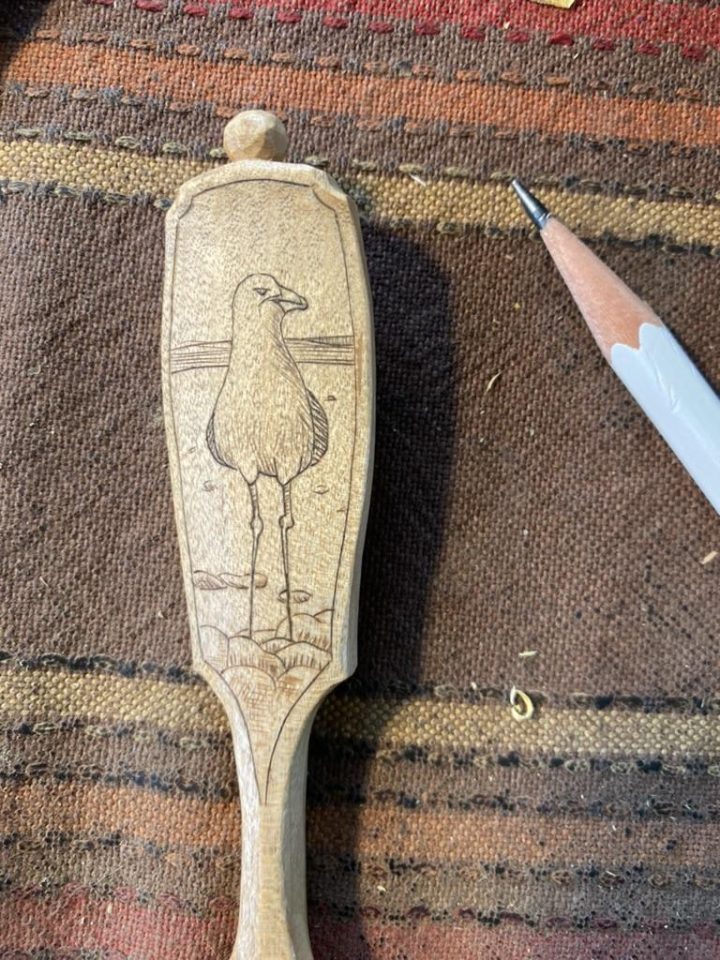
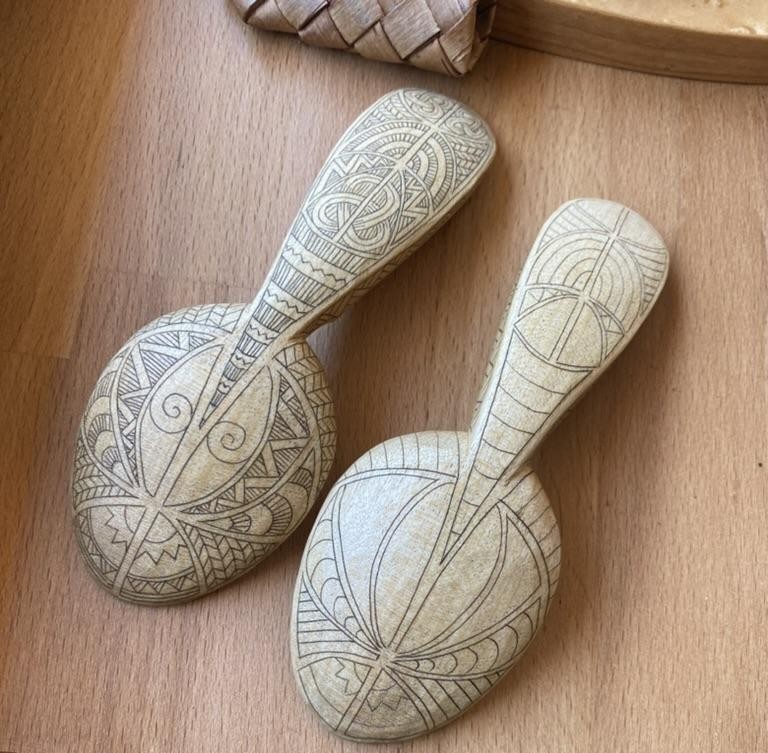
As a traditional folk artist, teacher, and amatuer folklorist, Liesl is on a mission to rekindle the accessible and enjoyable traditional decorative folk art of kolrosing (think of kolrosing as tattooing wood). She is an accomplished spoon carver, and her kolrosed spoons have been exhibited at museums including a one-woman show of 35 illustrated story spoons at the American Swedish Institute in Minneapolis.
Kolrosing is an endangered craft—it is officially “red-listed” in Norway. As part of her mission, Liesl has travelled to Sweden and Norway to both teach kolrosing and to explore its lore dating back to medieval and Viking times.
A passionate teacher, she has won numerous awards over the course of her 35-year career in education. In her teaching of craft, Liesl works with students to carve spoons and kolrose wood with confidence and joy through mindfulness, technique, and practice. She was the 2023 Folk Artist-in-Residence at the University of Wisconsin–Madison and an American Scandinavian Foundation Fellow. She teaches at the American Swedish Institute, John C. Campbell Folk School, North House Folk School, and the Vesterheim Norwegian American Museum. In Scandinavia, she is an invited teacher at Sätergläntan in Sweden and at Rauland Akademiet and the Gudbrandals Museum in Norway. In the fall of 2026, Liesl and Jögge Sundqvist will undertake a road trip down the spine of Norway to chase the disappearing lore of Norwegian kolrosing.
Through this course, you will be able to explore kolrosing on your own with confidence and joy through good techniques and practice. You will be able to make something extra special through kolrosing—like putting someone’s name or their birthday or kolrosing an image on a special wooden object like a spoon. This course will focus on three foundational areas:
(1) technique: how to use a kolrosing knife, grips, how to hold what you are kolrosing;
(2) design: drawing and kolrosing borders, letters and numbers, and illustrations; and
(3) prepping and finishing: using burnishing and oils that cure to make durable finishes and bright kolrosing that endures.
As you grow in confidence and skills, you may make kolrosed sampler boards, name tags, and decorate spoons and spreaders that you have brought along. Prior experience in woodworking is helpful. Del Stubbs kolrosing knives will be available for purchase.
Martin Hazell
Martin Hazell is a well-known maker, teacher and researcher who accidentally
discovered spoon carving in the 1990s (eeek!) and is still excited by the prospect of making.
Martin was ‘on the T-Shirt’ for the very first Spoonfest in 2012, talking about an
obscure 11 th century spoon carving saint, and his work in the realms of History and
Archaeology have continued to inform his making and teaching practise. Despite this, he has been asked back to Spoonfest every year since and loves to teach here whenever health has allowed.
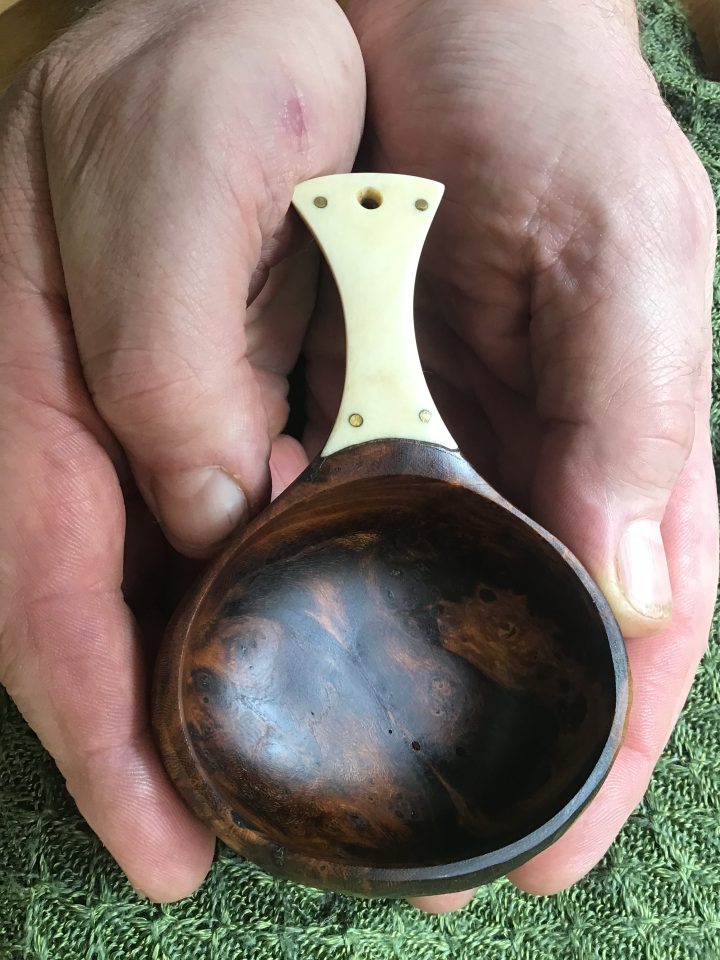
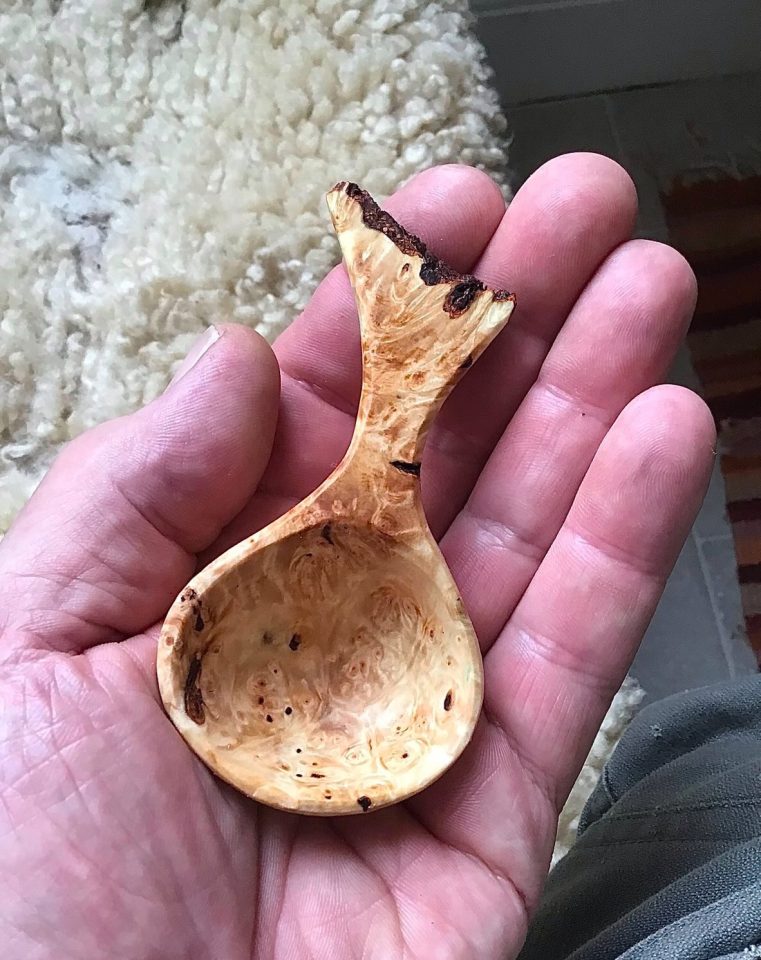
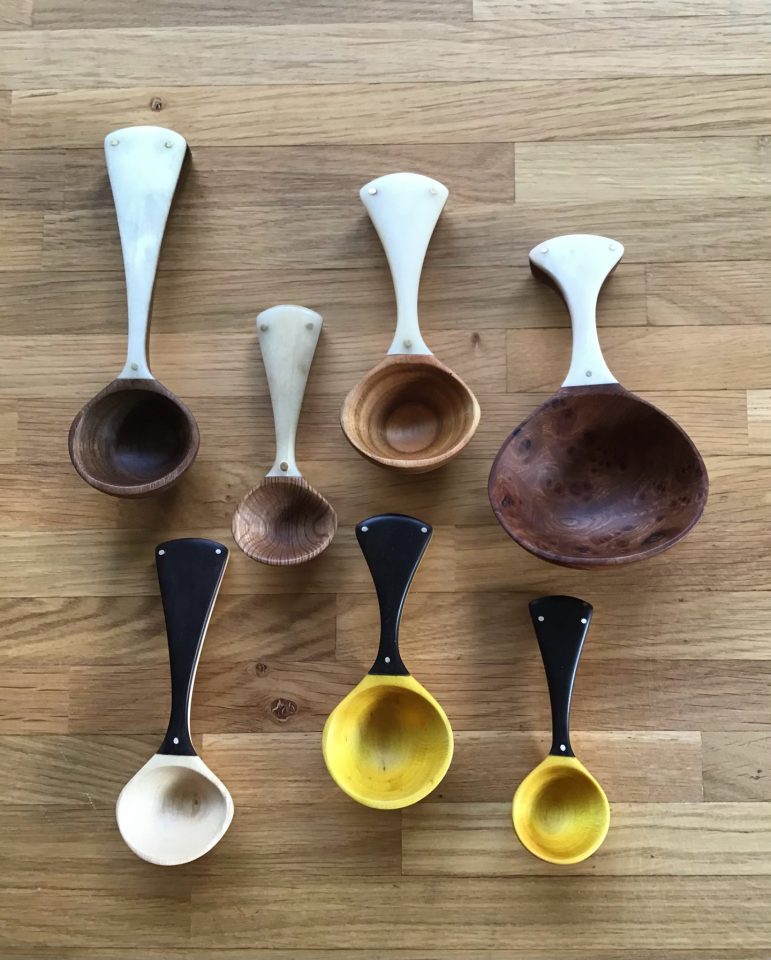
Having become interested in both prehistoric burr bowls and Scandinavian kuksas, Martin started working with burr about 20 years ago and carving spoons and scoops from burr will form the core of this course. Alongside the burr carving, Martin will be teaching how to attach bone, horn and antler to a spoon, very much inspired by both Sami practise and prehistoric use of skeletal resources, although there will be a vegan option using pieces of contrasting wood.
Participants can bring a finished spoon or two for this part of the course, and the aim
would also be to prepare anything carved in burr for this process. The course price includes all materials: as well as burr there will be horn, bone, antler and wood for inlays, as well as fixings in silver and brass. There will be some specialised tools to borrow, and it would be ideal for participants to have at least some spoon carving experience for this course.
Martin is well known for his humour and spontaneous recitations of poetry, so you’re
guaranteed a fun few days, as well as learning something interesting and useful!!
Matt Whittaker
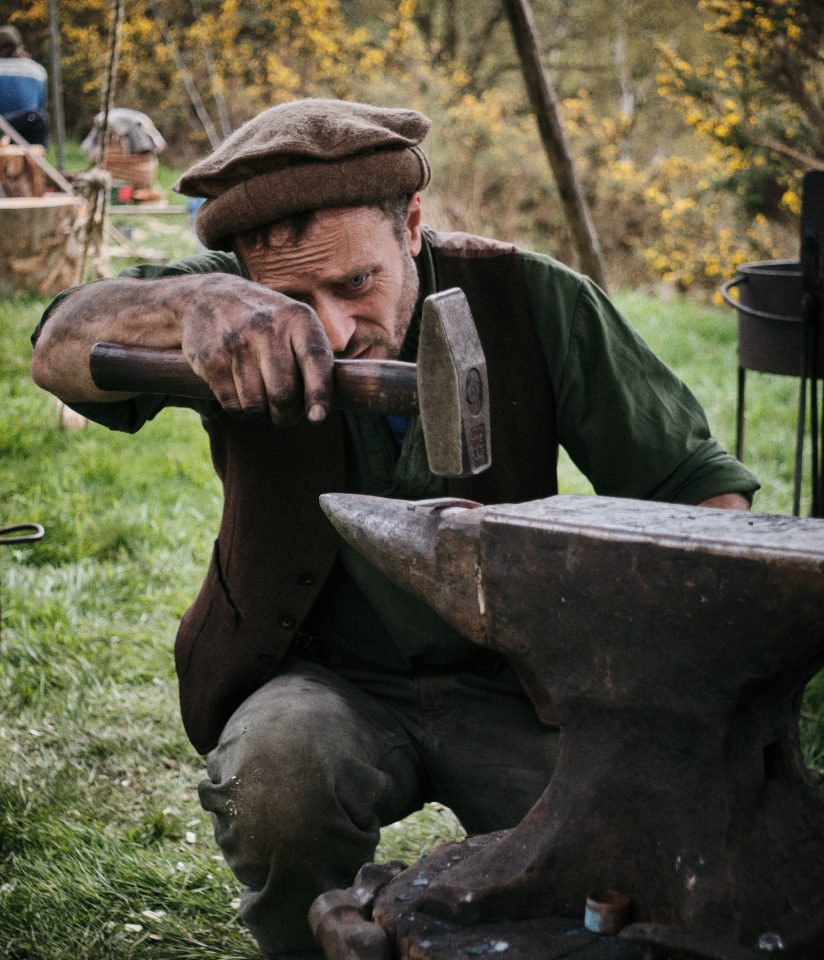
Matt has been working with Green wood and reclaimed steel for nearly 30 years. His delight is to take discarded scrap metal, forge it and add wood to create unique and durable tools. So much of use is thrown away and these small acts and its teaching are a way to reconnect with the special in everyday objects. He is also a turner of bowls and mugs on a viking style pole lathe, he makes his own tools for this out of old car springs on his charcoal forge.
On this two day course you will take a piece of old car spring and heat it to nearly a thousand degrees on a charcoal forge and learn how to shape it into a knife blade using hammer and tongs.
Matt will take you through the journey of making a knife. From rough shaping on the anvil, to grinding the shape, heat treating to make a hard durable blade and onto a final sharpen.
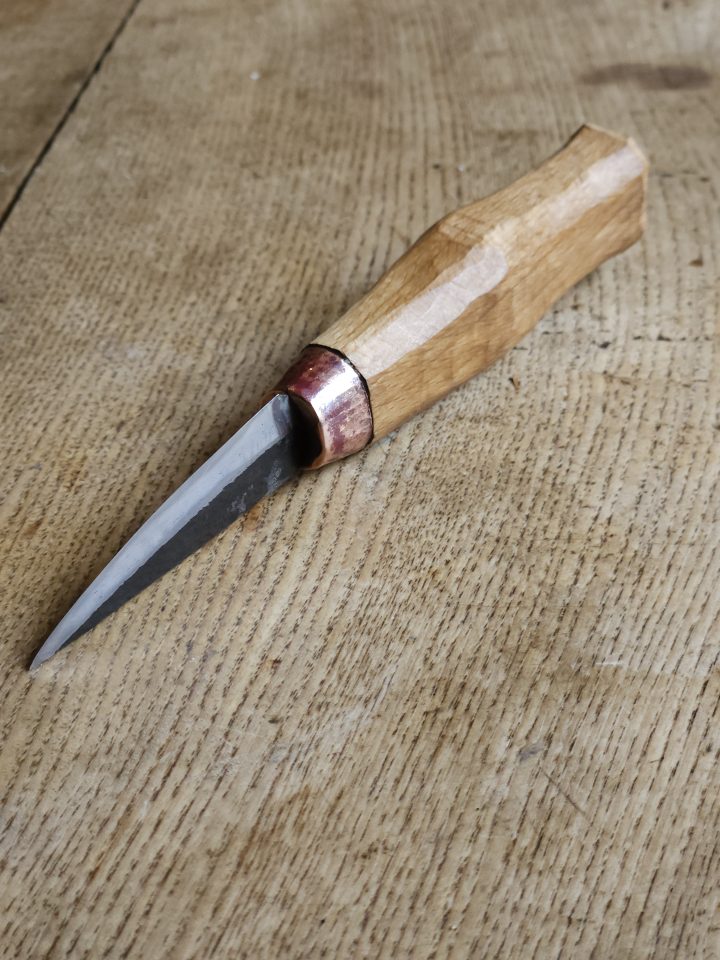
We will then go on to roughing out a handle for the blade from either Ash or Beech, adding a ferrule and then setting the full tang into it with copper end plates and peening. You will go home with a fully usable knife fit for spoon carving and general woodwork.
Owen Thomas
I am a full time woodworker and teacher living in Herefordshire. Originally from Surrey, I have been working with wood for over 10 years. It has taken many years of practice to master the skills required to be one of the few pole lathe bowl turners that produce high quality items in the country. Having discovered the world of green woodworking, I immersed myself in the possibilities that these traditional techniques can offer. Using axes, knives and a foot powered lathe, I create items that have their own unique, warm character.
I strive to make usable and beautiful woodenware, taking inspiration from historical work and also contemporary design. I feel that working with hand tools is an important aspect to the design process, making me work in more efficient ways.
By physically handling the work piece, I find that I am constantly feeling for pleasing ergonomics and tactile surfaces. The tool marks become almost like the fingerprint of the maker, where every clean cut is an example of the years of practice. The subtle facets of a high qualiy wooden bowl can become like a familiar friend at meal times. Using wooden bowls and spoons for your food is a marvellous way to eat. There is something special about feeling the subtle facets of a wooden spoon in your hand and eating your food from a warm, charming wooden bowl.
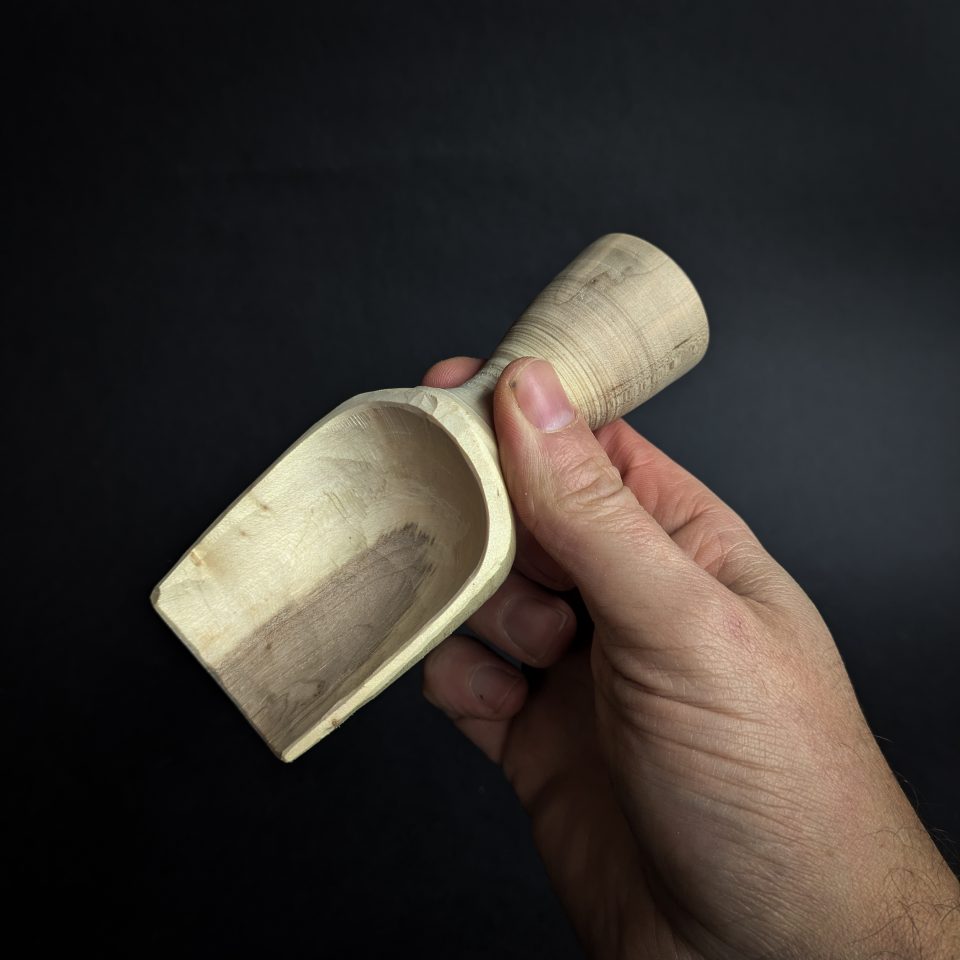
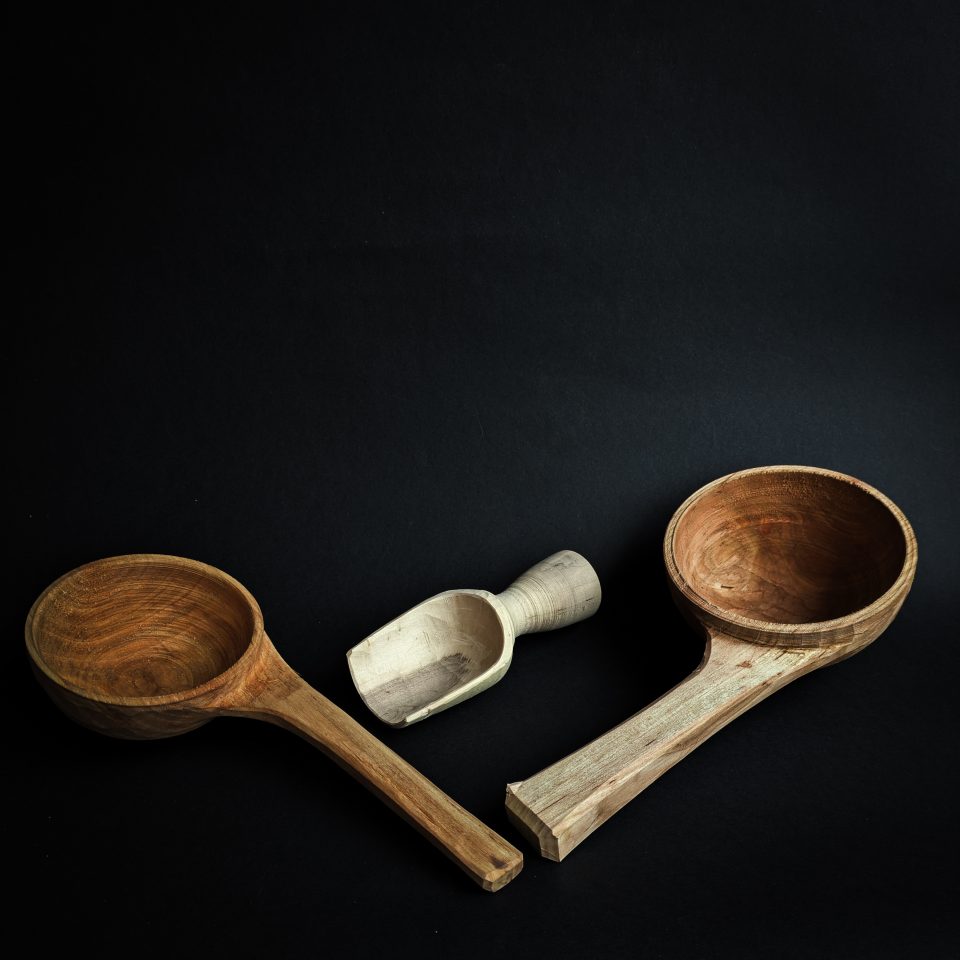
Learn how to use a pole lathe and specialist hook tools to create various types of turned spoon. You will have the opportunity to learn both side grain and end grain turning techniques and tips on how to select wood and prepare blanks. These techniques are transferrable to a huge variety of turned treen such as bowls & cups.
You will learn how to turn an end grain flour scoop on day one, and then progress on to a roman ladle (as seen in Spon). Intermediate or advanced turners may also have time to explore different forms of turned spoons.
All specialist tools will be available to use, but you may bring your own turning hooks if you wish.
www.instagram.com/owenthomaswoodcraft
www.owenthomaswoodcraft.com